
吸烟,或者吸二手烟,是人类永恒的问题之一。

无论是吞云吐雾的“晨练”人士,还是走着走着突然点烟把你呛了一下的路人甲乙丙丁,都十分令人头疼。
目前各个城市都出台了相应的吸烟管控条例,条例规定,在公共场合禁止吸烟。
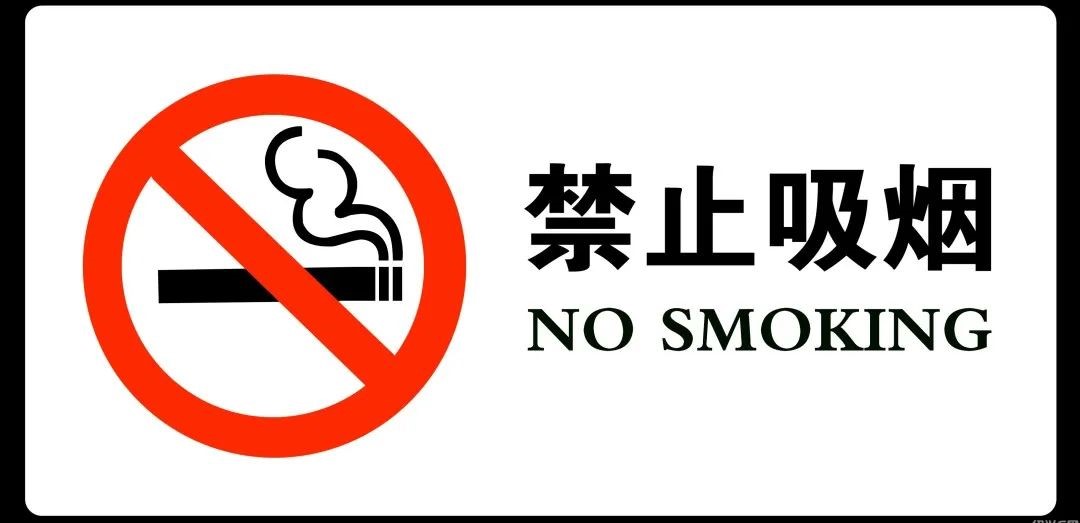
而当听到“Are you smoking?”和“Do you smoke?”的时候,你会不会犯起迷糊:都是在问抽不抽烟吗?这两个句子有什么区别呢?今天阿研就带大家学习一些和“烟”有关的表达。
1、Do you smoke?
首先,问别人“抽烟吗”,可以用“Do you smoke?”或者“Are you a smoker?”来表达,一般现在时表示的是现在惯常的做法。
Do you often smoke?
你常常抽烟吗?
He never smokes.
他从不抽烟。
此外,smoke heavily可以表达抽烟抽的很厉害;“戒烟”可以用give up/quit smoking来表达。
Jane started smoking heavily as her job became more stressful.
简工作压力加大时抽烟抽得很凶。
So how long is it since you gave up smoking?
那么,你戒烟多长时间了?
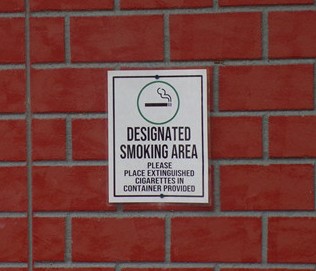
在公共领域,准许吸烟的地方,可以用smoking area/section/room等,而“非吸烟[禁烟]区”则是smoke-free area/zone(千万别理解成“免费吸烟”哦),在国内,禁烟区也可以用non-smoking area。
2、Are you smoking?
Are you smoking?除了指“正在吸烟”外,实际上是在问“你是不是傻”或者“你脑子进水了吗”。所以,如果用这句话问候别人,你可能会被打,因为smoke除了表示“吸烟”,还可以指“吸毒”。吸食之后脑子不正常,所以“Are you smoking”就用来表示“你脑子有病吧”等意思。类似的表达还有“You must be smoking!”或“What are you smoking?”
Are you smoking? I already told you not to lend money to him again.
你是不是傻啊,我早和你说过,不要再借钱给他了。
Are you smoking? Just look at what you’ve done.
你是不是傻?看看你都做了什么!

3、go up in smoke
smoke作为名词可以表示“〔燃烧产生的〕烟”,短语go up in smoke字面意思是“上升进入烟”,也就是“被大火烧毁”,比喻“化为乌有,化为泡影”。
Without a scholarship, her dreams of college would go up in smoke.
没有奖学金,她上大学的梦想就成为了泡影。
He saw his life savings go up in smoke when the stock market crash.
股市崩盘后,他眼看着自己毕生积蓄化为乌有。

4、there's no smoke without fire
没有火,就不会有烟,there's no smoke without fire可以引申为“无风不起浪;事出有因”。
She says the accusations are not true, but there's no smoke without fire.
她说这些指控不属实,但无风不起浪。

5、smoking gun
smoking gun直译是“冒烟的枪”。在犯罪现场,冒烟的枪也就是“确凿证据”,我们现在常说的“实锤”也可以这样表达。
The smoking gun was the lipstick on his collar.
他衣领上的口红是确凿的证据。
Investigators have failed to find a smoking gun to connect the mayor to the missing money.
调查者未能找到能把市长和丢失钱款联系起来的真凭实据。

最后提醒大家,无论是烟草还是电子烟(electronic cigarettes),都含有有害物质尼古丁(nicotine)。
尼古丁会使人上瘾或产生依赖性,重复使用尼古丁也增加心跳速率和升高血压并降低食欲。大剂量的尼古丁会引起呕吐以及恶心,严重时人会死亡。
本文来自外研社公众号,有删减。